










Territorial development
We support municipalities and developers in planning and implementing sustainable developments, tailored to the current and future needs of communities.
gbi’s impact on our collective landscape
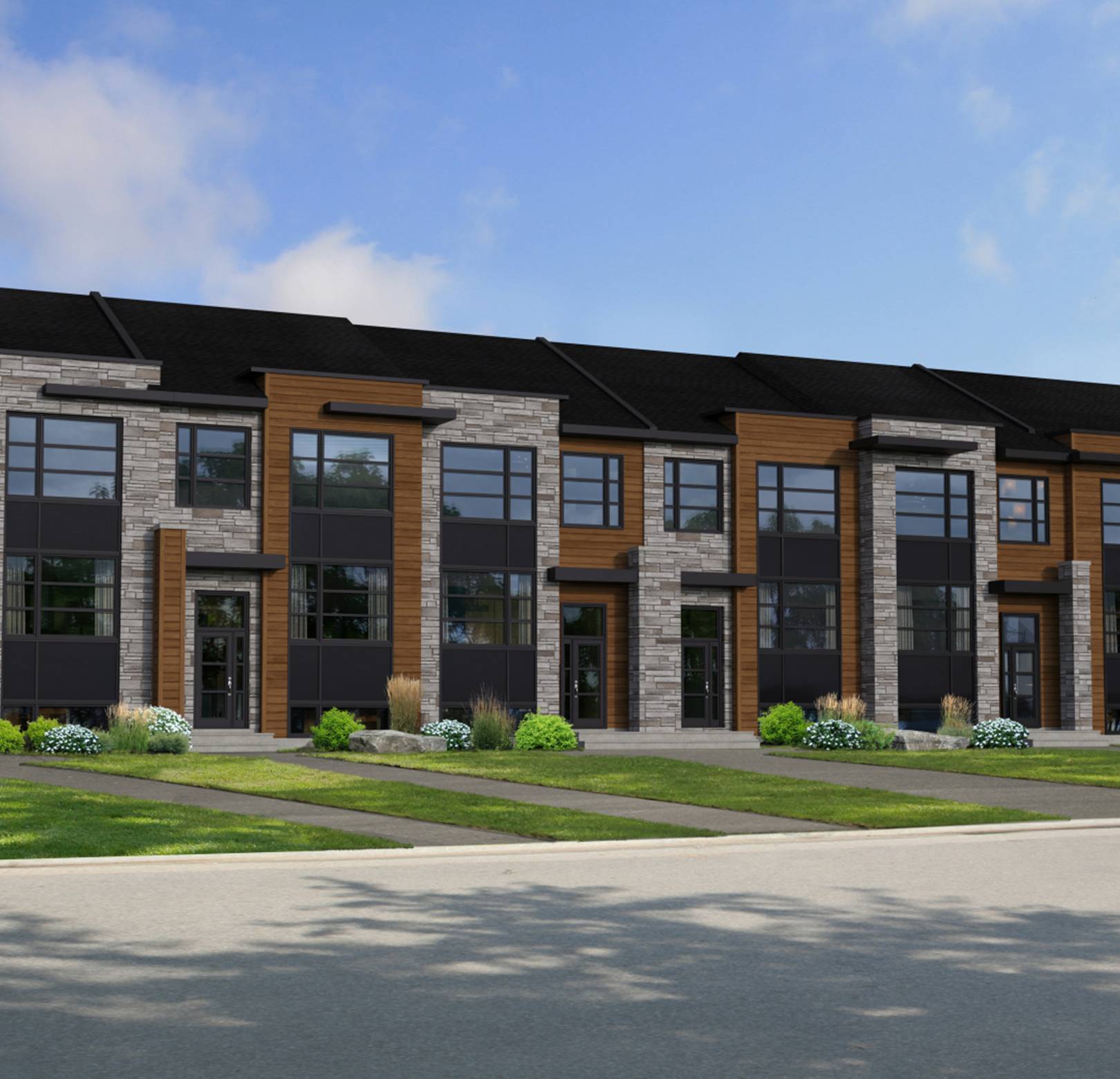
Territorial development relies on rigorous planning, a thorough understanding of local issues, and comprehensive technical expertise.
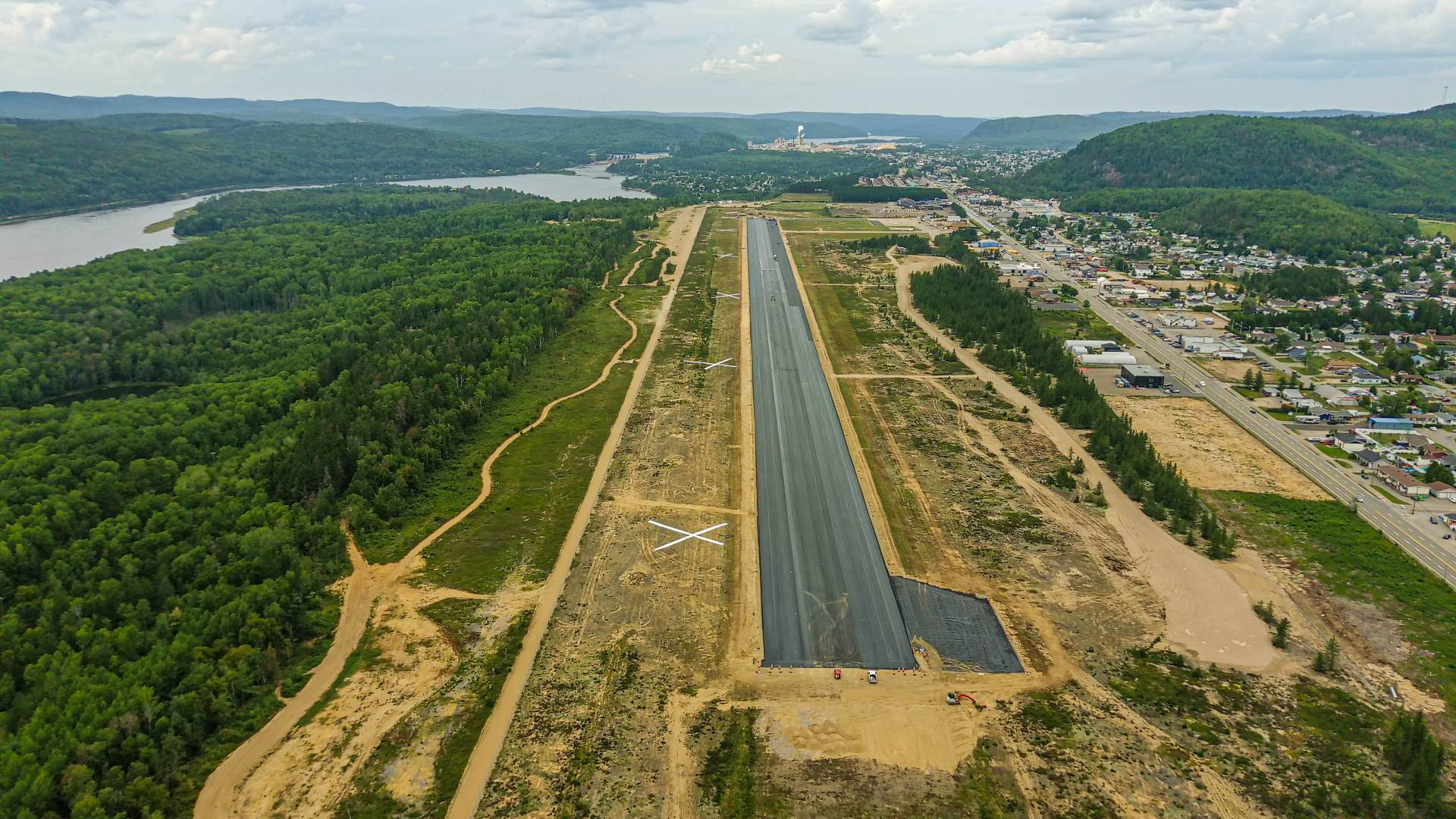
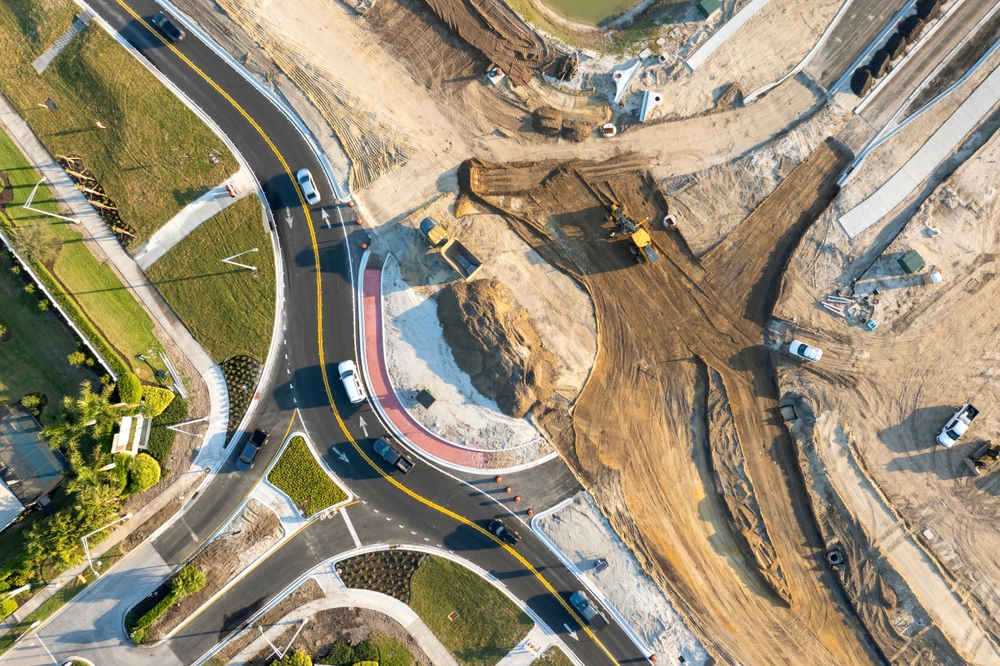
At gbi, our civil engineering team works closely with municipalities, developers, and urban planners to design sustainable, efficient developments that are well integrated into the existing environment. Whether it involves water and sewer networks, roadways, drainage, or stormwater management, we provide tailored solutions that meet regulatory requirements and address the needs of the community.
Thanks to our multidisciplinary approach, we ensure consistency and quality at every stage, from master planning to the implementation of infrastructure.
Complete Solutions for Your Projects
The success of a territorial development project relies on rigorous planning and integrated design, taking into account community needs, environmental constraints, and long-term objectives. At gbi, we work closely with our partners to develop coherent development plans that integrate infrastructure network design, roadways, sustainable stormwater management, and environmental impact assessments.
Our multidisciplinary approach ensures coordination of all technical, regulatory, and community aspects from the earliest project phases, guaranteeing efficient, sustainable, and environmentally responsible developments.
Development phasing is essential to optimize resources, control costs, and support territorial growth in a controlled manner. Our expertise allows us to plan construction and development stages according to priorities, user needs, and the gradual management of infrastructure, including water and sewer networks, as well as stormwater management systems.
By integrating technical, regulatory, and operational aspects, gbi provides progressive development strategies that ensure continuity of services, efficient infrastructure management, and flexible adaptation to future changes, while minimizing environmental impacts.