









How can we design higher-performing buildings while reducing their environmental impact?
That’s the challenge that motivates Karl-Antoine Lavigne, Engineer and Sustainable Development Team Leader at gbi.

Leveraging his expertise in energy engineering, he supports both the mechanical design teams and clients in developing solutions that combine energy efficiency, cost-effectiveness, and reduced carbon emissions.
A Career Driven by the Desire to Make a Difference
Before specializing in sustainable development, Karl-Antoine earned a bachelor’s degree in Mechanical Engineering from Polytechnique Montréal. Naturally analytical, he also wanted his work to have a meaningful impact on environmental challenges.
Climate change made me reflect on how I could contribute in my own way and make a difference. That’s what inspired me to pursue a master’s degree in Energy Engineering and steer my career toward sustainable development.
Today, he applies that expertise to projects that help buildings and industrial facilities reduce their energy consumption while maintaining high performance.

A Role That Shapes Projects from the Very Beginning
At gbi, Karl-Antoine works closely with the building mechanical engineering teams to integrate the most effective energy strategies from the earliest stages of project development.
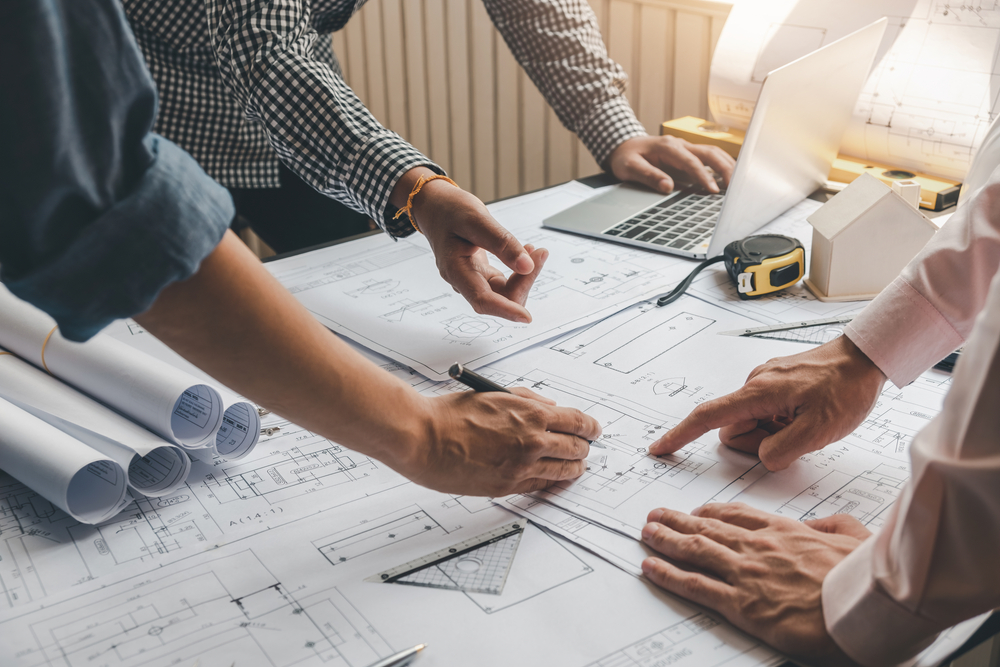
His work involves comparing different building mechanical and electrical scenarios, conducting energy simulations, assessing the financial viability of proposed solutions, and supporting clients in obtaining sustainability certifications and incentive funding. Since also taking on the role of Team Leader, his day-to-day work now includes greater collaboration, mentoring, and management responsibilities alongside his technical analysis.
Designing the Energy Solutions of Tomorrow
Among Karl-Antoine’s current projects are several studies aimed at reducing the energy consumption of existing buildings by evaluating various heat recovery strategies and optimizing building mechanical and electrical systems.
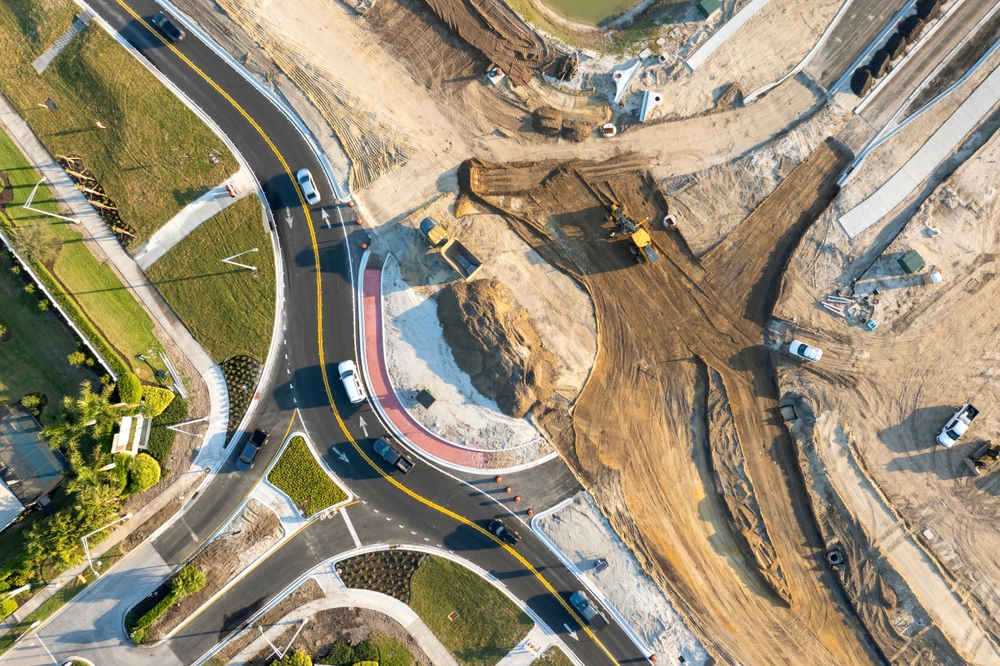
He is also involved in projects that integrate energy transfer loops, an approach that enables multiple buildings within the same district to share energy, improving their overall efficiency.
“It’s a rapidly evolving field. We can see that designers, municipalities, and major industry stakeholders are becoming increasingly interested in this approach.”
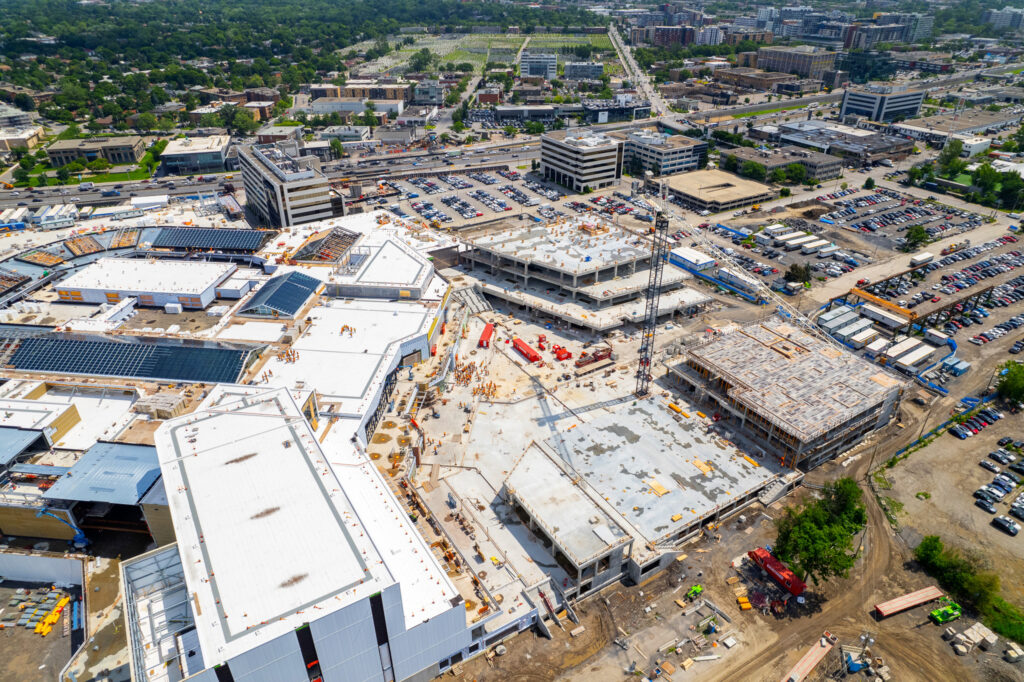
Among the projects that have had the greatest impact on him are the studies carried out for the new developments in Lachine-Est and Pointe-de-Longueuil, two initiatives that demonstrate the potential of district-scale energy solutions.
Sustainable development is a field where technologies, standards, and funding programs evolve quickly. For Karl-Antoine, this requires a strong ability to adapt.
You have to keep learning and stay up to date with new developments. Every project is unique and requires a tailored approach.
In his view, this ongoing evolution is excellent news for the engineering profession, as environmental considerations continue to play an increasingly important role in engineering projects.
The Role of Engineers in the Ecological Transition
According to Karl-Antoine, engineers have a key responsibility in advancing the ecological transition.
“We have the ability to influence decisions and propose solutions that can significantly reduce the carbon footprint of buildings. It’s a responsibility, but also a great opportunity to make a positive impact.”
He is also convinced that environmental performance and economic performance go hand in hand, as sustainable solutions are often the most beneficial over the long term.
If he had to describe gbi in three words, they would be: Innovation, collaboration, and versatility.