







By : David Beauséjour, ing. and Jérémy Roy, ing.
Dans un contexte où les projets d’infrastructures sont souvent abordés sous l’angle de la solution technique, gbi adopte une posture différente : intervenir en amont pour bien définir les besoins et orienter les décisions de conception. Cette approche In a context where infrastructure projects are often approached from a purely technical perspective, gbi takes a different approach: getting involved early to properly define needs and guide design decisions. This method not only optimizes investments but, more importantly, delivers projects that are better suited to users’ needs, more sustainable, and safer.
The redevelopment of the drop-off area at Thérèse-Martin High School is a concrete example of this added value.permet non seulement d’optimiser les investissements, mais surtout de livrer des projets mieux adaptés, plus durables et plus sécuritaires.

Returning to the Needs Before Designing
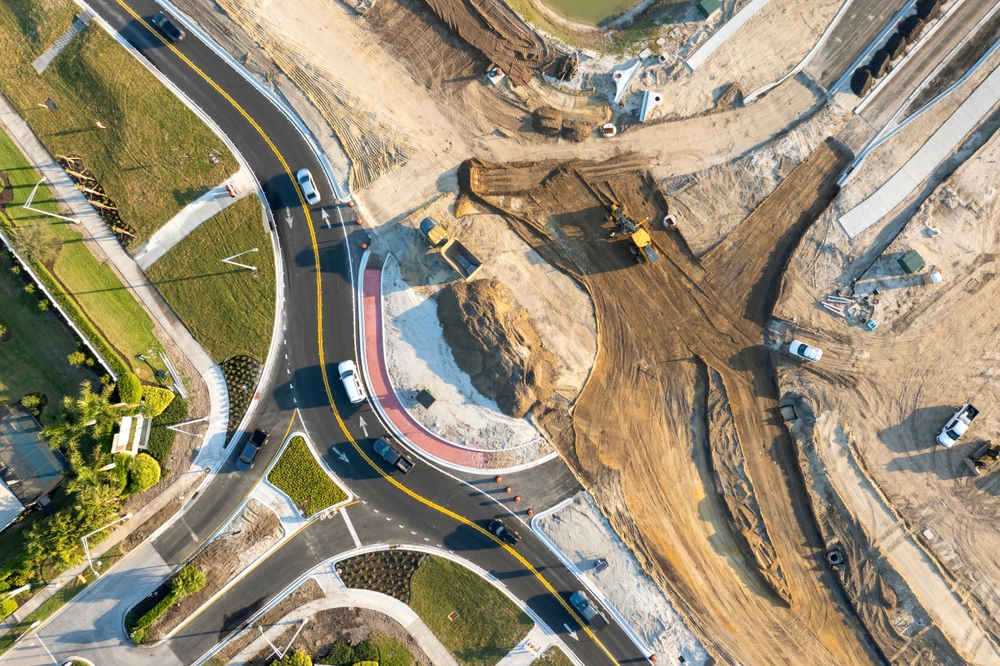
Initially, the project called for a complete reconstruction of the site, including roadway reconstruction, infrastructure replacement, and space reconfiguration. Through a detailed site assessment and discussions with the client and users, gbi quickly determined that the issue was not one of aging infrastructure, but rather a functional and organizational challenge. The shared use of a single space by buses, cars, scooters, cyclists, and pedestrians created significant safety risks, compounded by a site layout that was poorly adapted to current needs.
Rather than simply carrying out the original scenario, gbi proposed refocusing the project on the client’s actual objectives: improving safety, clarifying circulation routes, and adapting the site to everyday use. This strategic reassessment challenged several initial assumptions and opened the door to more effective solutions.
Realigning Decisions to Maximize Benefits
Certain infrastructure elements that remained in good condition, such as the existing concrete bus loading platform, were preserved rather than replaced, avoiding costly reconstruction work. This decision, combined with other design choices, generated significant savings for the client, estimated at approximately $650,000, while better addressing the original objectives.
At the same time, the site layout was completely redesigned to separate traffic flows and improve safety, particularly for vulnerable users such as pedestrians, cyclists, and moped riders. The addition of a dedicated cycling corridor and the relocation of certain uses allowed the project to better reflect real-world conditions while promoting active transportation, which had not been considered in the original scope.
This approach also made it possible to incorporate a meaningful environmental strategy: preserving existing assets, reducing the need for new materials, optimizing stormwater management, and significantly lowering greenhouse gas emissions, with reductions estimated at more than 400 tonnes of CO₂.

An Advisory Role That Expands Project Impact
Beyond technical solutions, this project demonstrates that the true value of engineering also lies in asking the right questions at the right time. By helping the client clarify objectives and integrating user needs from the outset, gbi transformed what began as a rehabilitation project into a genuine performance driver.
The result is a safer environment for students and staff, a more efficient use of financial resources, a project aligned with today’s environmental priorities, and infrastructure designed for long-term performance. This approach reflects the role gbi strives to play for its clients: a strategic partner capable of guiding decisions, simplifying complexity, and creating lasting value from the earliest stages of a project.